

Maximizing the Lifespan of Your Old Magnum Boat Lift: Essential Boat Lift Maintenance Tips
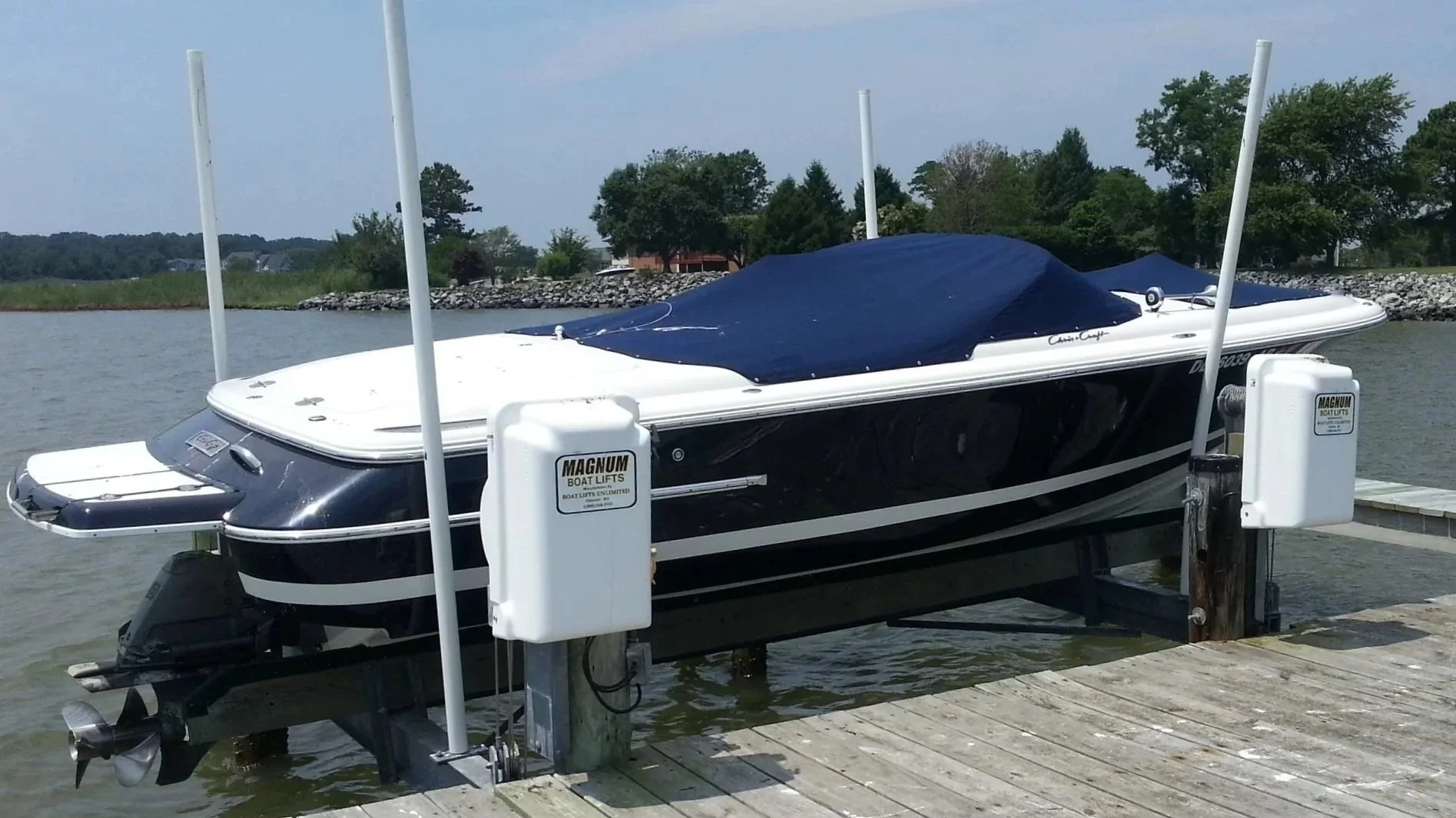
Magnum Boat Lifts recently celebrated 30 years in business. Over these years we have gathered industry leading expertise and perfected the designs of our lifts. New Magnum Lifts are the culmination of all that experience, bringing you the most reliable and user-friendly boat lift experience. But this is not to say the older Magnum Lifts out there, still in use, are obsolete. A Magnum Boat Lift is a long-term investment, protecting your watercraft and ensuring a hassle-free boating experience. It spends every day of every year exposed to the harsh marine environment, after many years of use, your lift can start to show signs of aging. The good news is that there are simple things you can do to extend the life of your Magnum Lift and keep your boat lift properly maintained year-round. These practices along with proper care and maintenance will not only extend the lifespan of your lift but also prevent costly repairs and potential safety hazards. In this guide, we’ll walk you through practices and general maintenance to keep your old Magnum Boat Lift in peak condition.
The Importance of Regular Maintenance
Boat lifts endure constant exposure to water, salt, UV radiation, and fluctuating weather conditions. Without regular boat lift maintenance, these harsh elements can take a toll on your lift’s structural, electrical, and mechanical components. Routine upkeep helps prevent:
Premature Wear and Tear: Regular cleaning and lubrication reduces friction, minimizing stress on cables, pulleys, and motors.
Costly Repairs: Addressing minor issues early can prevent expensive overhauls or component replacements down the line.
Operational Failures: Well-maintained lifts are less likely to fail, providing peace of mind every time you use your boat.
Safety Risks: Proper maintenance reduces the chance of sudden component failures that could endanger you or your watercraft.
Annual Maintenance Tasks
To maximize the lifespan of your Magnum Boat Lift, incorporate the following annual boat lift maintenance tasks into your boating routine:
Follow Our Comprehensive Inspection Checklist
Regular inspections are key to identifying minor issues before they escalate into significant problems. Use the checklist provided in this post (which you can download at the bottom) to guide your maintenance routine. Key areas to focus on include:
Pulleys and Sheaves: Ensure they rotate freely and show no signs of binding or corrosion.
Motors: Listen for unusual noises and check for overheating.
Cables: Inspect for frays, corrosion, and proper tension.
Drive Gear Plates: Verify proper lubrication and alignment.
Here are a few maintenance tasks you can do easily on your own
1. Grease Belt and Pulley Drive Gear Plates
If your Magnum lift utilizes flat plate gear drives, one of the most critical steps in annual boat lift maintenance is properly lubricating the gears and checking the belts. The lubrication of the gears reduces friction, extends the life of moving parts, and prevents seizing or excessive wear. Checking the belts for dry rot, wear, and tension prevents slipping which can render the lift immobile until the belt is replaced. When greasing the gears use a high-temperature grease fortified with MOLY for the best results. Mobil Centaur Moly 2 is highly recommended for this task; it provides excellent protection against extreme pressure and heat generated by this style of gear. Be sure to:
Apply grease to all fittings, paying close attention to the fittings on the pillow blocks and the fitting on the hub of the bull gear.
Wipe away old excess grease to that has dried and hardened, this can attract debris and lead to premature wear.
Check for any unusual grinding or squeaking sounds during operation, as this can indicate inadequate lubrication or component misalignment.
2. Inspect and Tighten All Bolts and Connections
The swelling and contracting of wood along with the motion of mechanical parts can loosen bolts over time. Inspect all hardware for signs of corrosion or wear and tighten any loose connections. Pay close attention to the mounting hardware the holds the lift to the pilings. If these bolts show rust stains on pilings, it may be time to replace them. Since there is no perfect way to determine the condition of these bolts in the center of pilings without removing them, replacing them is a common service on older lifts. If your lift was installed with stainless steel mounting bolts however, there is no need to worry about this corrosion, as long as the bolts tighten, they are good to go.
3. Cable Inspection and Maintenance
Cables to boat lifts are like tires on your car and their integrity is vital for safe operation. Each season, inspect your cables for fraying, rust, or visible signs of wear. Replace any compromised cables immediately to avoid costly repairs. You can inspect your cables by checking for the following:
Lower the lift to check the entire length of cable. Be sure to keep tension on the cables during this process.
Minor bends or kinks can be a non-issue as long as the cable can still wrap neatly and travel around sheaves.
If a cable has frays or popped strands it may be time to replace the cable.
4. Disconnect Power When Not in Use
This is the easiest and maybe most important thing you can do to extend the life of your boat lift that is often overlooked. Disconnecting your boat lift from power when not in use is the best way to reduce avoidable electrolysis, a common issue that can damage the lift’s components and lead to costly repairs. It also reduces the risk of electrical shorts and component burnout during storms or power surges. If your lift uses a plug or outlet for power, leave the lift unplugged between uses. If your lift uses a hardwired power source you should have a disconnect that you can use to isolate the lift. It is not sufficient to disconnect only the hot wires, disconnecting all wires including the ground is the only way to truly isolate your lift.
5. Rinse Your Lift’s Cradle
If your lift is exposed to saltwater or brackish environment. You know how harsh those conditions can be on just about everything around you. When you have put your boat back on the lift after a day out on the water, take a moment to give the boat lift cradle a quick rinse at the same time you give the boat a wash. By giving the lift’s cradle, a freshwater washdown you can remove lingering salt, sand, or debris that can be catalysts for electrolysis and corrosion. This is the best way to prevent boat lift corrosion. If you take a minute of time to rinse the cradle off every time you rinse your boat off, you can add years to your boat lift’s lifespan.
Schedule Professional Service for Complex Issues
While regular maintenance can address most routine wear and tear, some issues warrant a professional’s touch. Magnum’s support team is equipped to handle more complex repairs, replacements, and electrical diagnostics. If you notice any of the things discussed above or just want a second opinion on what you see, don’t hesitate to reach out for expert assistance.
Thanks for reading!
Impressive, you made it to the end. Download the complete maintenance checklist and owner’s manual attached to this post to get started on your next maintenance session.
Ready to take your lift maintenance to the next level? Reach out to our team today for professional boat lift support or personalized guidance tailored to your specific Magnum Lift model.